
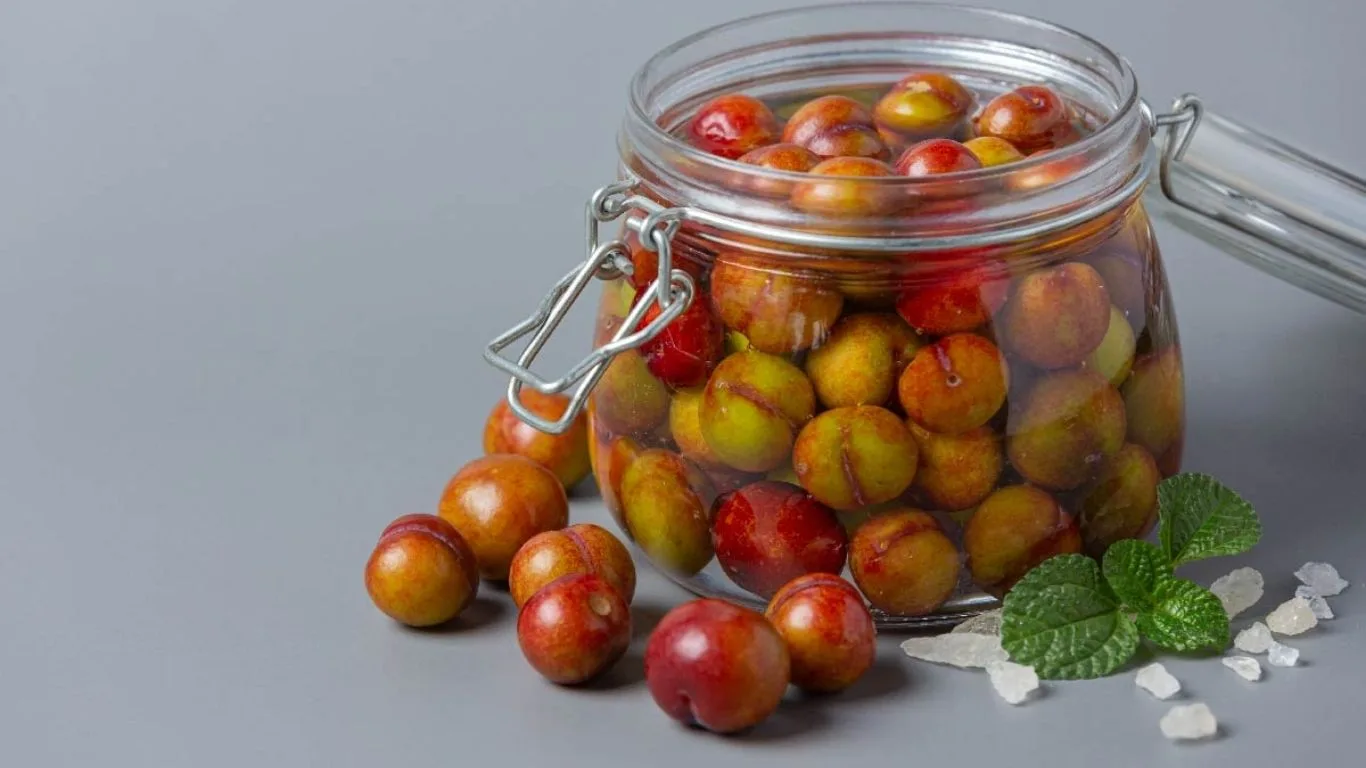
Žižole: The Ancient Superfruit for Sleep and Immunity
Most people have never heard of žižole. But in the sun-baked gardens of Dalmatia, the herbal markets of Shanghai, and the wellness aisles of London in May 2026, this small reddish-brown fruit is quietly having its moment.
Žižole, also known as jujube or red date, has been eaten for over 4,000 years, yet it still surprises people who discover it for the first time. Fresh, it crunches like an apple. Dried, it sweetens like a date. And packed inside its thin skin is one of the most impressive nutritional profiles of any fruit you can find.
This article tells you everything about žižole: what it is, where it came from, what science says about its health benefits, how people cook with it across three continents, and why the global jujube market was valued at approximately USD 1.75 billion in 2024 according to market research data.
By the time you finish reading, you will know this fruit the way Mediterranean grandmothers have known it for generations.
What Are Žižole? The Complete Answer
Žižole is the Slovenian and Croatian name for the fruit of the tree known scientifically as Ziziphus jujuba. The same fruit goes by many names depending on where you are: jujube in English, red date or Chinese date in Asian markets, giuggiole in Italian, žižula in Dalmatian Croatian, and hinap in Bulgarian.
All these names point to the same ancient fruit, beloved across vastly different cultures for the same core reasons: it tastes good, it keeps well, and it supports the body in simple but genuine ways.
The fruit itself is small, usually between 2 and 5 centimeters long. Its shape ranges from round to oval. Green when young, it ripens through yellow into a deep reddish-brown, at which point the skin wrinkles slightly and the flavor deepens. Inside every žižole is one small, hard seed. The flesh is pale, fine-grained, and naturally sweet.
Fresh žižole has a texture and mild sweetness close to a good apple. As it dries, whether on the tree or in the sun, the water content drops and the fruit becomes chewy, sweeter, and richer, resembling a soft date. This transformation from crisp to chewy makes žižole one of the most versatile fruits in traditional cooking.
The 4,000-Year History of Žižole
From Ancient China to the Mediterranean Table
The jujube tree has been cultivated in China for more than 4,000 years, and some estimates stretch that figure closer to 7,000 years based on archaeological evidence. Ancient texts from the Han Dynasty document the fruit as both food and medicine.
In Traditional Chinese Medicine (TCM), dried jujube was classified as a tonic herb used to nourish the blood, calm the mind, and strengthen the digestive system. It appeared in countless classical formulas, usually combined with other ingredients to balance and enhance their effects.
From China, žižole traveled west along the Silk Road through Central Asia, Persia, and the Middle East, arriving in the Mediterranean basin well before the Roman period. Ancient Greek physicians documented the fruit.
Roman texts mention its cultivation. By the medieval period, žižole trees were growing in southern France, Italy, Spain, Croatia, and the Balkans, adapting easily to the warm, dry summers of the Mediterranean climate.
Žižole in Mediterranean and Balkan Culture
In Croatia, especially along the Dalmatian coast and in Istria, žižole became woven into the fabric of rural life. Families planted the trees in courtyard gardens, harvested them each autumn as a community activity, and preserved the fruit through the winter in the form of džem od žižula (žižole jam), thick syrups, dried snacks, and a fruit brandy or liqueur called žižula rakija. Offering guests žižole products was a sign of hospitality, warmth, and pride in the harvest.
In Slovenia, the fruit carried similar meaning. The Slovenian Wikipedia notes that fresh žižole contain approximately 70mg of vitamin C per 100 grams, more than a lemon, making them historically valuable as a winter immune food before vitamin supplements existed. This nutritional instinct, embedded in folk tradition, is now being confirmed by modern science.
What Is Žižole?
Žižole is the Slovenian and Croatian name for the jujube fruit (Ziziphus jujuba), a small, sweet fruit native to China and cultivated for over 4,000 years. When fresh it tastes crisp and mildly sweet like an apple. When dried it becomes chewy and rich like a date. It is eaten as a snack, brewed into tea, and used in jams, syrups, and traditional remedies across Asia, the Mediterranean, and the Balkans.
Žižole Nutrition: What Is Actually Inside This Small Fruit
Žižole punches well above its weight nutritionally. Its defining feature is vitamin C content. Fresh žižole contains approximately 70mg of vitamin C per 100 grams, which meets around 78 to 115 percent of a typical adult’s daily requirement from a single small handful.
That is more vitamin C than a fresh lemon and far more than most commonly eaten fruits. This is why traditional communities across both Asia and Europe independently discovered žižole as a winter immunity food.
Beyond vitamin C, žižole contains a range of compounds that modern nutritional science finds genuinely interesting.
| Nutrient | Fresh Žižole (per 100g) | Dried Žižole (per 100g) |
| Calories | 79 kcal | 287 kcal |
| Carbohydrates | 20 g | 73.6 g |
| Protein | 1.2 g | 3.7 g |
| Fat | 0.2 g | 1.1 g |
| Vitamin C | ~70 mg | Much reduced |
| Potassium | ~250 mg | Higher concentrated |
| Fiber | ~2.6 g | Higher concentrated |
Dried žižole naturally concentrates all nutrients except vitamin C, which degrades with heat and drying. This is why people who want vitamin C benefits eat žižole fresh, while those using it for energy, digestion, or sleep support often use the dried form.
The fruit also contains flavonoids, polyphenols, triterpenic acids, and polysaccharides. A 2024 literature review published in MDPI’s journal and indexed on PubMed described these active compounds as showing pharmacological activities including neuroprotection and potential support for cardiovascular health.
A 2025 systematic review published in the journal Nutrition and Diabetes from Babol University of Medical Sciences in Iran analyzed seven clinical studies involving 483 participants, concluding that jujube consumption showed effects on metabolic factors including lipid profiles and glycemic indicators.
The Real Health Benefits of Žižole, Explained Clearly
Immune Support Through Vitamin C
The most reliable health benefit of fresh žižole is immune support through its high vitamin C content. Vitamin C supports the production of white blood cells, which are the body’s first defense against infection. I
t also helps repair tissue and acts as an antioxidant, protecting cells from damage caused by free radicals. Eating a few fresh žižole provides a meaningful dose of this vitamin without any supplement needed.
Think about a family in Split, Croatia, picking žižole from the garden tree in early October. They eat them fresh for a week, then dry the rest for winter teas. They have done this for generations, not because they read a nutrition label but because the fruit made them feel better. The science now supports what the tradition already knew.
Sleep and Stress Support
Žižole has been used as a calming food for at least 2,000 years in Chinese herbal medicine. The compound most studied in this context is jujuboside A, a saponin found primarily in the seeds but also present in the fruit, which has been shown in laboratory studies to have sedative and anxiolytic effects by modulating activity in the central nervous system.
In practical terms, a warm cup of žižole tea made by simmering three or four dried fruits in water for 15 minutes creates a gently sweet drink that many people use as part of an evening routine. It is not a sleeping pill and should not be treated as one. But as a soft, plant-based support for winding down before bed, it has both traditional credibility and early scientific backing.
Digestive Health
The fiber in žižole supports healthy gut function by feeding beneficial bacteria in the colon and helping move waste through the digestive tract efficiently. Fresh žižole provides around 2.6 grams of fiber per 100 grams, which is a reasonable contribution to the daily recommended intake of 25 to 38 grams for adults.
Dried žižole provides more. The fruit also contains polysaccharides that some research suggests may protect the stomach lining, though human clinical evidence on this is still developing.
Antioxidant and Anti-Inflammatory Properties
Žižole is rich in antioxidants including flavonoids and phenolic compounds. A 2024 systematic review and meta-analysis of rodent studies published in Food Science and Nutrition (indexed on PubMed) concluded that jujube fruit extracts significantly reduced markers of oxidative stress.
Oxidative stress is linked to accelerated aging, chronic inflammation, and increased risk of several diseases. While animal studies do not automatically translate to identical human effects, the strength of this research base is one reason žižole is attracting growing attention from nutritional scientists.
What Does Žižole Taste Like?
Fresh žižole tastes crisp, mildly sweet, and slightly floral, similar to a mild apple with a hint of date. As it ripens further it becomes softer and sweeter. Fully dried žižole has a rich, chewy sweetness very close to a date, with a slightly earthier depth of flavor. The taste changes meaningfully depending on ripeness and preparation, which is one reason the fruit can be used in both fresh snacks and cooked dishes.
The Mistake Almost Everyone Makes When Eating Žižole
Here is something almost every article about žižole misses entirely: most people in Western countries who try žižole for the first time eat them too late. They buy dried red dates from an Asian grocery shop, find them pleasant but somewhat one-dimensional, and conclude that is the full experience. It is not even close.
The real revelation in žižole is the fresh fruit at peak ripeness. Imagine picking a still-firm, slightly green-red fruit from a Dalmatian garden tree in September. It snaps cleanly. The flavor is fresh, bright, and surprising: less sweet than a date, more complex than an apple, with a floral note that disappears completely once the fruit dries. That freshness is what traditional Mediterranean communities have always prized, and it is almost never available in Western supermarkets.
If you live anywhere with a warm summer, a young žižole tree planted now will produce harvestable fruit within three to five years. Growing your own is genuinely the only reliable way to experience the fruit at its best stage, which is why horticulturists in Mediterranean-climate regions of California, Australia, and southern Spain are increasingly recommending Ziziphus jujuba as one of the most rewarding low-maintenance fruit trees for home gardens.
Read more: MobilesRUs: The Complete Guide to Australia’s Trusted Phone Store
How to Use Žižole in Everyday Cooking
Fresh Žižole Uses
Fresh žižole can be eaten directly as a snack, sliced into fruit salads, or added to cheese boards as a mild sweet element. Their apple-like crispness pairs well with soft cheeses, walnuts, and honey. In Croatia, they are often eaten alongside late-summer tomatoes and fresh bread as a simple harvest meal.
Dried Žižole Uses
Dried žižole can be used exactly as you would use dates: in energy balls, mixed into oatmeal, added to trail mixes, baked into cakes and muffins, or simmered into sauces for game and pork dishes. Their lower sugar content compared to Medjool dates makes them a slightly lighter option for people watching their sugar intake.
Žižole Tea
Žižole tea is the easiest and most universally practiced preparation. Take four to six dried žižole, rinse them, and score each one lightly with a knife. Simmer in 500ml of water for 20 minutes. Add fresh ginger slices and a small piece of cinnamon if you want warmth and depth. The result is a golden, gently sweet tea that is excellent on cold evenings.
Traditional Recipes from the Mediterranean
In Dalmatia, džem od žižola (žižole jam) is made by simmering fresh fruit with sugar, lemon juice, and a little water until thick. It is spread on bread, stirred into yogurt, or used as a glaze for slow-cooked meats. Žižula rakija is a fruit brandy made by fermenting ripe žižole with sugar and water, then distilling the result. This is a family recipe in many coastal Croatian households, produced in autumn and shared through winter gatherings.
Žižole Compared to Other Superfruits
People often compare žižole to more familiar dried fruits. Understanding where it sits nutritionally helps you decide when and why to choose it.
| Feature | Žižole (Fresh) | Dates (Medjool) | Goji Berries | Figs (Dried) |
| Vitamin C | Very high | Very low | High | Low |
| Calories | Low (79/100g) | High (277/100g) | Low | High (249/100g) |
| Sugar | Moderate | Very high | Low | High |
| Fiber | Moderate | Moderate | Moderate | High |
| Traditional medicine use | Asia, Mediterranean | Middle East | China, Tibet | Mediterranean |
| Flavor | Apple-like, mild | Rich, caramel-sweet | Tart, earthy | Honey-sweet |
Žižole is the best choice among these fruits when you want vitamin C, lower calories, and a milder flavor. Dates are better for quick energy and rich sweetness. Goji berries are useful for antioxidants in a very small serving. Figs are excellent for fiber and minerals. None of these fruits should be thought of as competing. Each has a role, and žižole fills a genuinely distinct one.
How to Grow Žižole at Home
What the Tree Needs
The Ziziphus jujuba tree is one of the most forgiving fruit trees you can plant. It thrives in USDA hardiness zones 6 through 10, meaning it can handle mild winter frosts down to around minus 15 degrees Celsius while still producing excellent fruit. It prefers full sun, at least six hours a day, and well-drained soil. Sandy or loamy soil is ideal. Heavy clay soils that hold water around the roots should be improved with organic matter or avoided.
Once established, typically after the first two years, the tree becomes genuinely drought-tolerant. It does not need regular irrigation in Mediterranean climates or in areas with moderate summer rainfall. It produces small, fragrant yellow-green flowers from late spring through mid-summer. These attract pollinators and gradually develop into fruit that ripens from late August into October.
Harvesting and Storing
Harvest žižole when they begin to turn from green-yellow to reddish-brown. For fresh eating, pick them firm and bright. For drying, allow them to become fully reddish-brown and slightly soft before harvesting. Dry them in a single layer in sunlight or in a low oven at around 50 degrees Celsius until they reach the consistency of soft dates. Properly dried žižole store for six to twelve months in an airtight container kept away from light.
A mature žižole tree can produce between 10 and 40 kilograms of fruit annually depending on the variety, climate, and care. That is a meaningful harvest for a home garden, particularly given how little the tree demands in return.
Why Žižole Is Growing Globally Right Now
The global jujube market was valued at approximately USD 1.75 billion in 2024, according to market research published in May 2025, and is projected to grow at a compound annual growth rate of around 7.5 percent through 2033. The fastest-growing market region is North America, where demand for superfruits, ethnic wellness products, and natural sleep supplements is rising sharply.
Three forces are driving this growth simultaneously. First, the global wellness movement is pushing consumers toward foods with traditional roots and scientifically documented benefits. Žižole ticks both boxes: thousands of years of use across multiple independent civilizations, and a growing body of peer-reviewed research.
Second, the clean eating trend favors whole, minimally processed foods with short ingredient lists. A dried žižole is exactly that: one ingredient, no additives. Third, rising interest in sleep health is creating demand for natural, gentle sleep-support products. Žižole tea fits this category perfectly and is already sold in hundreds of herbal tea blends.
Frequently Asked Questions About Žižole
What is žižole in simple words?
Žižole is the Slovenian and Croatian name for jujube, a small sweet fruit from the Ziziphus jujuba tree. It has been cultivated for over 4,000 years starting in China and now grows across Asia, the Middle East, and the Mediterranean. Fresh žižole tastes like a mild apple. Dried it tastes like a soft date. It is eaten as a snack, brewed into tea, and used in traditional recipes and remedies.
Are žižole and dates the same thing?
No, though they are sometimes called “Chinese dates” because of the similarity in dried form. Žižole come from a completely different tree (Ziziphus jujuba) than date palms (Phoenix dactylifera). Fresh žižole are crisp and apple-like, which dates never are. Dried žižole are sweeter and chewier than Medjool dates but lower in sugar and calories. They also contain much more vitamin C than dates.
What do žižole taste like fresh?
Fresh žižole at peak ripeness tastes crisp, mildly sweet, and slightly floral, comparable to a mild, slightly dense apple with a light honeyed finish. As the fruit ripens further it softens and the sweetness deepens. Overripe fresh žižole taste very close to a fresh date. The flavor changes significantly depending on exactly when you eat it.
Can žižole help with sleep?
Traditional medicine across China, the Mediterranean, and the Balkans has used žižole as a calming food and sleep aid for centuries. The fruit contains compounds including jujuboside A that laboratory studies have shown to have gentle sedative effects. A warm cup of žižole tea in the evening is a gentle, food-based way to support relaxation, though it should not be considered a substitute for medical treatment of sleep disorders.
How much vitamin C is in žižole?
Fresh žižole contains approximately 70mg of vitamin C per 100 grams, which is more than a lemon. This covers around 78 to 115 percent of the recommended daily intake for an adult, depending on the specific guidelines used. Vitamin C content drops significantly when the fruit is dried because heat and oxidation degrade this vitamin.
Where can I buy žižole in 2026?
Fresh žižole are available at farmers’ markets in Mediterranean regions during late summer and autumn. Dried žižole, sold as red dates or Chinese dates, are available year-round at Asian grocery stores, herbal shops, health food stores, and online retailers. When buying dried žižole, look for naturally sun-dried fruit without added sugar or preservatives, and check that the color is rich red-brown rather than pale or dusty.
How do you make žižole tea?
Rinse four to six dried žižole and score each one lightly with a knife. Place them in a small pot with 500ml of water. Add optional extras like two slices of fresh ginger or a small piece of cinnamon. Bring to a simmer and keep simmering gently for 15 to 20 minutes. Strain and drink warm. The tea has a mild, naturally sweet flavor and is particularly good as an evening drink.
Are there any risks or side effects from eating žižole?
Žižole is considered safe for most people when eaten in normal amounts. Excessive consumption of dried žižole can cause digestive discomfort due to concentrated fiber and sugars. People taking antidepressants such as venlafaxine or certain anti-seizure medications should consult a doctor before regular use, as jujube compounds may interact with these drugs. Those who are pregnant or breastfeeding should also seek medical advice before consuming large quantities.
What is the difference between žižole and goji berries?
Both are traditional Asian superfruits with antioxidant benefits, but they are quite different. Goji berries are tiny, tart, and very high in antioxidants per gram. Žižole are larger, sweet, and distinctly higher in vitamin C and fiber. Goji berries are typically eaten dried in small quantities. Žižole can be eaten fresh in larger amounts and have a far longer history of culinary use beyond supplement contexts.
Can I grow žižole at home?
Yes, and relatively easily. The Ziziphus jujuba tree is drought-tolerant, adaptable to poor soils, and productive with minimal care. It grows well in USDA zones 6 through 10. Plant in a full-sun location with well-drained soil. Water regularly for the first two years, then reduce irrigation as the tree establishes. Fruit typically begins appearing in three to five years from planting. A mature tree can produce 10 to 40 kilograms of fruit annually.
Conclusion
Žižole is not a trend invented in 2026. It is a 4,000-year-old fruit that civilization after civilization independently discovered, valued, and built traditions around. The Mediterranean grandmother who makes žižula rakija from her courtyard tree, the Chinese herbalist who prescribes dried red dates for insomnia, and the wellness blogger who adds jujube to her evening tea are all drawing from the same deep well of knowledge.
Vitamin C is real. The calming compounds are real. The flavor that surprises everyone who tries a fresh one off the tree is absolutely real. In a time when people are looking for foods that are ancient, honest, and genuinely useful, žižole is exactly what they are looking for, even if they do not know its name yet.
Small fruit. Long story. Worth every bite.
For more on the botanical family to which žižole belongs and its global distribution, see the Wikipedia article on Ziziphus jujuba.