
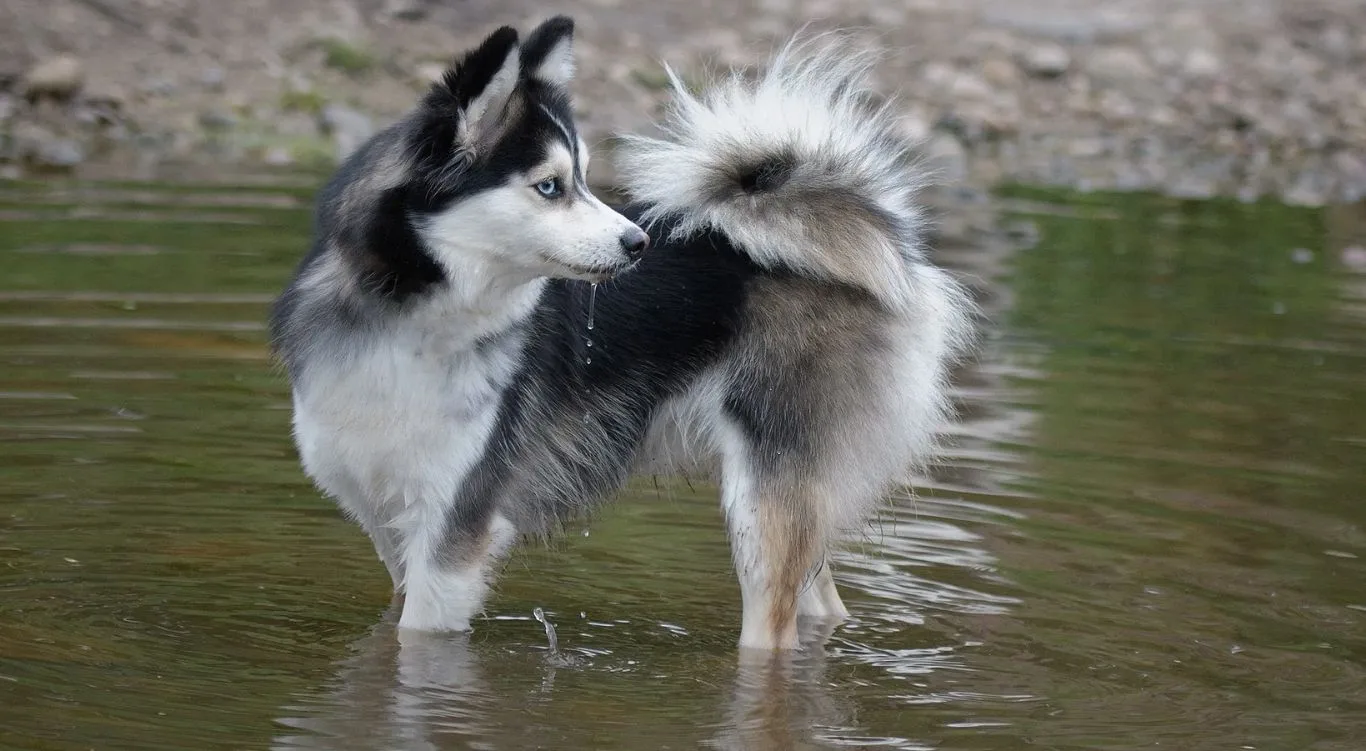
Pomerusky: The Complete 2026 Guide to the Pomsky Breed
Over 2 billion views. That is how much content tagged with “pomsky” and “pomerusky” has racked up across TikTok and Instagram combined as of May 2026. This little dog with the big personality and even bigger coat has become one of the most searched designer breeds on the planet. But most of what people find online barely scratches the surface.
The pomerusky is a deliberate cross between a Pomeranian and a Siberian Husky, producing a compact, energetic, and strikingly beautiful dog that looks like a wolf shrank in the wash. It is charming, clever, and deeply attached to its people. It is also more demanding than it looks, and getting one without doing your homework first can lead to real problems.
This guide tells you everything honest about the pomerusky: where it came from, exactly what to expect from its personality, what it costs to buy and own, the health issues to watch for, and the one mistake most new owners make that sets the whole relationship back by months.
What Is a Pomerusky?
A pomerusky is a hybrid dog produced by crossing a Pomeranian with a Siberian Husky. The result is a small-to-medium dog that typically weighs between 7 and 30 pounds and stands 10 to 15 inches tall at the shoulder. Some lean toward the compact Pomeranian side. Others grow closer to the athletic Husky build.
Because neither parent is a purebred version of the other, and because the size difference between the two breeds is enormous, no two pomeruskies look exactly alike. Even puppies from the same litter can be dramatically different in size, coat color, eye color, and personality. That unpredictability is part of the appeal for many owners. It can also be a genuine challenge for first-time dog buyers who expect to know exactly what they are getting.
The pomerusky is also widely called a Pomsky, especially in North America. The American Pomsky Kennel Club (APKC), a nonprofit organization dedicated to standardizing and advancing the breed, uses Pomsky as its official term. Both names refer to the same dog.
Where the Pomerusky Came From
The Designer Dog Movement
The pomerusky did not emerge from centuries of careful breeding like a Labrador Retriever or a German Shepherd. It was created deliberately during the designer dog movement that gained serious momentum in the early 2000s. Breeders began intentionally crossing purebred dogs to combine desirable traits from each parent.
The goal with the pomerusky was specific: capture the dramatic wolf-like appearance and expressive eyes of the Siberian Husky in a dog small enough to live comfortably in an apartment. The Husky’s size and exercise demands made it impractical for many families. The pomerusky offered a solution.
Why Breeding a Pomerusky Is Not Simple
Crossing a Pomeranian with a Siberian Husky is not as straightforward as it sounds. Pomeranians typically weigh around 3 to 7 pounds. Siberian Huskies can reach 45 to 65 pounds. The size difference makes natural mating either impossible or genuinely dangerous for the smaller dog.
Ethical pomerusky breeders use artificial insemination, with the Husky serving as the mother. This ensures safe gestation and healthy puppies. According to PetMD, first-generation pomerusky puppies (called F1) are born to Siberian Husky dams and Pomeranian sires via artificial insemination. Any breeder who suggests otherwise is not being honest about their process.
F1, F2, and F3: What the Generations Mean
When you shop for a pomerusky in 2026, you will see terms like F1, F2, F1B, and F3. These describe the dog’s generation.
An F1 pomerusky is a first-generation cross: one Pomeranian parent and one Husky parent. These dogs show the most variation in appearance and temperament because they draw equally from both sides.
An F2 pomerusky is the offspring of two F1 pomeruskies. This generation tends to be more consistent in size and coat type because the genetic mix has been narrowed down.
An F1B pomerusky is a first-generation pomerusky bred back to one of the parent breeds, usually a Pomeranian, to create a smaller dog.
Later generations, like F3, are bred for even more predictability. The American Pomsky Kennel Club has been working since 2019, when an AKC judge-sanctioned event called PomskyFest took place, to standardize the breed and eventually pursue American Kennel Club recognition. The APKC also approved the addition of the American Eskimo as a third breed to improve coat quality, structure, and temperament in newer generations.
What Does a Pomerusky Look Like?
The pomerusky’s appearance is genuinely striking and varies more than almost any other hybrid breed. Most people fall in love with the look before anything else.
Size and Body
Most pomeruskies weigh between 7 and 30 pounds and stand 10 to 15 inches tall. In 2026, breeders broadly classify them into three size categories:
- Toy: Under 15 pounds, close to a large Pomeranian in size
- Miniature: 15 to 20 pounds, the most popular size for apartment living
- Standard: Up to 30 or 35 pounds, showing more of the Husky build
The body is compact but sturdy. Despite their small size, pomeruskies move with confidence and energy. They do not have the fragile, delicate feel of a toy breed.
Coat Types and Colors
The pomerusky has a thick double coat that sheds heavily, especially during the twice-yearly shedding seasons when the undercoat comes out in chunks over a period of about three months. Three main coat types exist:
- Standard: Shorter, closer to the Husky coat in texture
- Plush: Medium length with a soft, dense feel
- Woolly: Long and full, with the maximum fluffiness
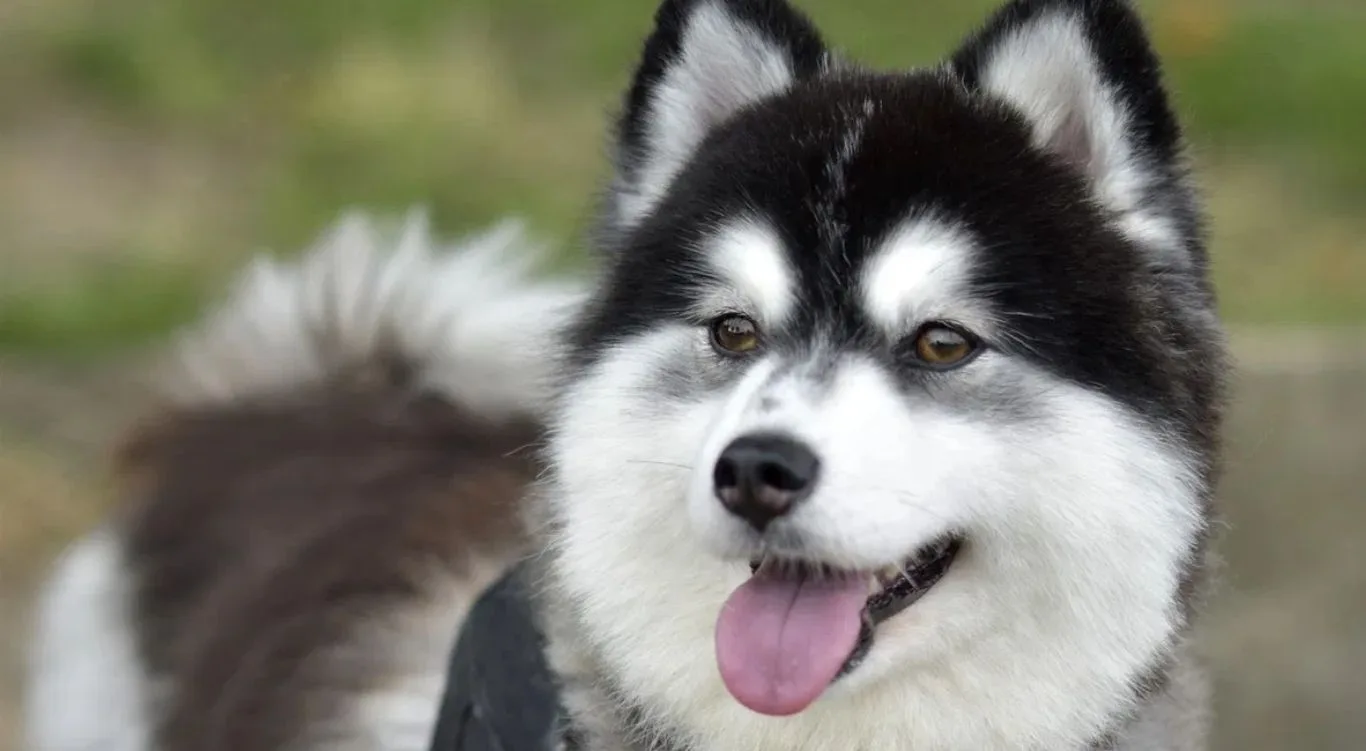
Coat colors range widely: white, cream, black, gray, red, sable, and mixed patterns. Many pomeruskies have the famous Husky facial mask, which makes them look like a tiny wolf wearing a costume.
The Eyes
One of the most talked-about features of the pomerusky is its eyes. They can be brown, amber, blue, green, or gray. Heterochromia, where each eye is a different color, is not uncommon and is considered especially desirable by many buyers. A pomerusky with blue eyes and a Husky facial mask is among the most sought-after and most expensive variations.
Read more: Instablu: The 2026 Instagram Aesthetic & Content Strategy Explained
Pomerusky Personality and Temperament
Do not let the cute face fool you. The pomerusky has a big, complex personality that requires an equally engaged owner.
Intelligence and Independence
The pomerusky inherits intelligence from both parent breeds. Pomeranians are sharp, alert, and quick to learn. Siberian Huskies are deeply intelligent but famously independent, bred to make decisions without human direction while pulling sleds across frozen terrain.
The combination produces a dog that learns quickly but does not automatically follow instructions. It will figure out what you want, think about it, and then decide whether it suits them. This is not stubbornness in the defiant sense. It is genuine independent thinking, and it requires an owner who provides clear, consistent leadership from day one.
Vocal and Expressive
Both Pomeranians and Huskies are vocal breeds. The pomerusky inherits this fully. Expect barking, howling, whining, and the particular chatty “talking” that Huskies are famous for. This is endearing to many owners. It is a genuine problem in apartments with noise-sensitive neighbors. Kim Baumann, vice president and director of education for the American Pomsky Kennel Club, described the breed’s behavior as requiring consistent guidance from an owner who engages quickly at the first sign of behavioral issues.
Affectionate but Not a Lap Dog
The pomerusky bonds deeply with its family and wants to be involved in everything. It is genuinely affectionate and forms strong connections with its primary person. At the same time, the Husky side brings a need for adventure and movement that a sedentary lifestyle will not satisfy. Think of it as a loving, curious, social dog that also needs to run.
Training a Pomerusky: What Actually Works
Training a pomerusky is rewarding when done right and genuinely difficult when done wrong. The key insight is that this breed does not respond to pressure or harshness. It shuts down, digs in, or finds creative ways around the rules.
Positive Reinforcement Only
According to Embark Veterinary, pomeruskies respond well to reward-based training and positive reinforcement. They do not respond well to negative reinforcement. Treats, praise, play, and clear expectations produce results. Frustration and punishment produce a dog that either shuts down or learns to avoid the trainer.
Short training sessions of 5 to 10 minutes work better than long ones. End every session on a success, even a small one. The pomerusky needs to feel like training is something it can win.
Start Early and Socialize Aggressively
The window for socialization in puppies is roughly 3 to 14 weeks of age. During this period, every new person, sound, animal, surface, and environment the puppy experiences without fear shapes how it responds to those things for life. A well-socialized pomerusky is friendly, curious, and adaptable. A poorly socialized one can develop anxiety, reactivity toward strangers, or fear-based aggression.
Expose your pomerusky puppy to children, other dogs, traffic sounds, umbrellas, hats, skateboards, and anything else it will encounter regularly. Do this gently and with lots of positive association. This investment pays off for the entire 12 to 15 years of the dog’s life.
Crate Training and Alone Time
The pomerusky dislikes being alone for long periods. This is a real limitation for people with long work hours. A crate, introduced positively from puppyhood, gives the dog a safe den and prevents destructive behavior during absences. Never use the crate as punishment. It needs to feel like the dog’s personal space, not a jail.
The Pomerusky Mistake That Sets New Owners Back by Months
Here is the issue that almost no competitor article addresses properly, and it affects the majority of new pomerusky owners.
Most people focus entirely on the pomerusky’s cute appearance and fun personality when making their decision. They buy the puppy, bring it home, and then discover that the dog’s Husky-driven independence means it has no particular reason to follow rules that were never established clearly from the very first day.
Huskies were bred to work with humans but not to defer to them the way a Labrador does. A Labrador’s entire evolutionary purpose involved closely following human direction. A Husky’s involved reading the terrain and making fast decisions without waiting for a handler’s input. The pomerusky inherits this.
New owners who are soft or inconsistent in the first weeks, who let the puppy win small battles at mealtimes, on furniture, or during walks, create a dog that has learned it can negotiate every situation. Reversing this pattern takes months of consistent work and is the most common reason pomerusky owners call trainers.
The fix is simple but requires discipline from the human, not the dog. Set rules from the first day home. Stick to them every single time. Use every meal, walk, and play session as a brief training moment. The pomerusky is smart enough to learn any rule you establish clearly. It is also smart enough to exploit any rule you apply inconsistently.
What Is a Pomerusky?
A pomerusky is a hybrid designer dog created by crossing a Pomeranian with a Siberian Husky. It typically weighs between 7 and 30 pounds and stands 10 to 15 inches tall. The breed is known for its thick double coat, striking eyes, fox-like face, and lively personality. It is also called a Pomsky, and the American Pomsky Kennel Club is the primary organization working to standardize and advance the breed in 2026.
How Long Do Pomeruskies Live?
Pomeruskies generally live between 12 and 15 years. This lifespan estimate is supported by veterinary consensus, though the breed is relatively new and long-term data is still being gathered. Proper nutrition, regular exercise, annual veterinary checkups, and dental care are the primary factors that support a longer, healthier life in this hybrid breed.
Pomerusky Health: What to Watch For
The pomerusky is generally considered a healthy breed. Hybrid vigor, the tendency of mixed-breed dogs to be healthier than their purebred parents, often benefits first-generation crosses. But both Pomeranians and Huskies carry hereditary health conditions that can pass to pomerusky offspring.
Common Health Issues
Patellar luxation: The kneecap slips out of its normal groove in the thigh bone. This is one of the most common issues noted in pomeruskies and appears on the American Pomsky Kennel Club’s open health survey as a frequently reported problem. Mild cases are manageable. Severe cases require surgery.
Hip dysplasia: The hip joint forms incorrectly, leading to instability and eventually arthritis. Maintaining a lean body weight and avoiding high-impact jumping while the puppy is still growing significantly reduces the risk.
Dental crowding: The pomerusky’s small jaw often cannot comfortably fit all its adult teeth. This leads to crowding, misalignment, and accelerated plaque buildup. According to SpectrumCare’s 2025-2026 veterinary cost guide, professional dental cleaning under anesthesia runs roughly $350 to $500 for a routine cleaning. This is a recurring cost, not a one-time expense.
Eye conditions: Cataracts and other eye issues appear in both parent breeds. Regular eye checks at annual vet visits catch early signs.
Skin allergies: Itchy skin, recurring ear infections, and hair loss from allergies are noted in the pomerusky health community, inherited from both parent breeds.
Annual Care Costs in 2026
SpectrumCare’s 2025-2026 veterinary analysis estimates that most pomerusky families in the US spend between $1,500 and $3,500 per year on routine care. This includes wellness exams at $75 to $150 each, core vaccines at $100 to $250 annually, parasite prevention at $25 to $60 per month, and professional grooming at $60 to $120 per visit. For a double-coated breed that sheds heavily and needs professional de-shedding treatments seasonally, grooming is a significant ongoing expense.
Grooming a Pomerusky: A Realistic Schedule
The pomerusky’s double coat is beautiful and high-maintenance. There is no version of this dog that requires minimal grooming.
Daily and Weekly Requirements
Brush the coat at least three times per week during normal periods. During shedding seasons, which happen twice a year and last roughly three months each, daily brushing is essential. Use a slicker brush to work through the outer coat and a de-shedding undercoat rake to pull out the loose undercoat. Skipping this creates mats and tangles that require professional intervention to remove.
Bathe the pomerusky every four to six weeks using a dog-specific shampoo. Over-bathing strips the natural oils from the double coat and leads to dry, irritated skin.
Teeth, Ears, and Nails
Brush the pomerusky’s teeth at least three times a week. Daily brushing is better given their tendency toward dental crowding. Use a dog toothbrush and dog-safe toothpaste. Check ears weekly for odor or discharge, which signals infection. Trim nails every two to three weeks. Long nails alter the dog’s gait and put strain on its joints.
Exercise and Mental Stimulation
The pomerusky needs a minimum of 45 to 60 minutes of active exercise every day. This is not a gentle stroll around the block. It means running, playing fetch, exploring new environments, or off-leash time in a securely fenced area.
Mental stimulation matters as much as physical exercise. A pomerusky left with nothing to think about will find its own entertainment, and that entertainment will involve your furniture, your shoes, or your garden. Puzzle feeders, nose work games, short training sessions, and new environments all provide the mental engagement this breed needs.
Pomerusky Cost: What to Budget in 2026
Purchase Price
The Pomsky Club of America states that reputable breeders do not charge less than $2,000 for pomerusky puppies. According to Embark Veterinary, prices range from $2,000 to $5,000 depending on coat color, eye color, size, and generation. A pomerusky with blue eyes, a clear Husky facial mask, and a toy or miniature size regularly commands prices at the top of that range or beyond.
Be deeply skeptical of pomeruskies priced below $1,500. Responsible breeders who pay for DNA testing through organizations like Embark, perform OFA health testing, use artificial insemination, and raise puppies in home environments cannot produce healthy puppies at low prices. Cheap pomeruskies often come from puppy mills or irresponsible breeders who skip health testing entirely.
Ongoing Costs
| Expense | Estimated Annual Cost (US, 2025-2026) |
| Routine vet care and vaccines | $300 to $500 |
| Parasite prevention | $300 to $720 |
| Professional grooming (8 visits) | $480 to $960 |
| High-quality food | $400 to $800 |
| Dental cleaning (every 1-2 years) | $175 to $500 averaged |
| Pet insurance | $400 to $900 |
| Toys, treats, and supplies | $200 to $400 |
| Total estimated annual range | $1,500 to $3,500+ |
Is a Pomerusky Right for You?
The pomerusky is an excellent dog for the right owner. It is a poor match for a lifestyle that does not suit it.
It suits people who work from home or have flexible schedules, who enjoy daily outdoor activity, who have experience with independent-minded breeds, and who are willing to invest consistently in training. It also suits families with older children who understand how to interact with a dog respectfully.
It is a poor match for people with very long daily absences, those who live in very small spaces with noise restrictions, first-time dog owners who expect an easygoing beginner pet, or families with very young toddlers. Hill’s Pet Nutrition notes that pomskies can be skittish around small children and may not be a good fit for families with very young kids.
Frequently Asked Questions About the Pomerusky
What is the difference between a pomerusky and a Pomsky?
They are the same dog. Pomsky is the more commonly used term in North America, particularly by the American Pomsky Kennel Club. Pomerusky is used widely online and in international markets. Both refer to the Pomeranian and Siberian Husky cross.
How big will my pomerusky get?
Most pomeruskies reach adult size between 10 and 12 months of age. Adult weight ranges from 7 to 30 pounds and height from 10 to 15 inches at the shoulder. The best way to estimate your puppy’s adult size is to look at the parents, particularly the mother, and ask the breeder about their litter history.
Do pomeruskies shed a lot?
Yes. The pomerusky has a thick double coat and sheds year-round, with heavy shedding seasons twice a year. Regular brushing reduces the amount of hair on your furniture, but it does not eliminate shedding. If you are sensitive to dog hair or do not want to commit to regular grooming, this is not the right breed.
Are pomeruskies good with other dogs?
Generally yes, if properly socialized from a young age. The Husky side brings a prey drive that can make small animals and some cats a concern. Slow, supervised introductions and early socialization produce the best results. Most well-socialized pomeruskies are friendly and playful with other dogs of similar or larger size.
Why does a pomerusky cost so much?
Responsible breeding requires artificial insemination, DNA health testing through organizations like Embark, OFA orthopedic testing, and experienced care for the mother and litter. These costs add up before a single puppy is sold. The relative rarity of ethical breeders and the high demand for the breed also push prices upward.
How do I find a reputable pomerusky breeder?
Search for breeders listed through the American Pomsky Kennel Club (APKC). APKC breeders agree to a code of ethics, perform DNA testing, and provide health documentation. Avoid breeders who sell puppies without DNA verification, who cannot show you the parents, who pressure you to decide quickly, or who offer prices that seem too low.
Can a pomerusky live in an apartment?
Yes, with enough daily exercise and mental stimulation. The miniature and toy size pomeruskies adapt well to apartment living. The challenge is the vocal nature of the breed. Pomeruskies bark and howl, which can create friction with neighbors. Early training to limit excessive vocalization and a well-exercised dog are the main management tools.
At what age should I start training my pomerusky?
From the day you bring it home. The first weeks in your home are the most critical period for establishing routines, rules, and the social hierarchy the pomerusky needs to understand. Formal obedience classes starting at 8 to 10 weeks old are ideal. Puppy kindergarten classes also provide valuable socialization alongside training.
What do pomeruskies eat?
High-quality dog food with a named meat protein as the first ingredient. Association of American Feed Control Officials (AAFCO) approval is the minimum standard. Adult pomeruskies typically need 1.5 to 2 cups of food split across two daily meals, adjusted for activity level and body weight. Consult your vet to confirm the right amount for your specific dog.
How much exercise does a pomerusky need every day?
A minimum of 45 to 60 minutes of active exercise daily, plus mental stimulation through play, training, or enrichment activities. A pomerusky that does not get enough physical and mental activity becomes destructive, vocal, and anxious. Exercise is not optional for this breed.
Conclusion
The pomerusky is one of the most visually striking and genuinely rewarding companion dogs available in 2026. It is smart, affectionate, loyal, and endlessly entertaining. It is also demanding in ways that surprise owners who chose it purely for its looks.
The three things that determine whether pomerusky ownership goes well are these: find a breeder who tests for health and documents genetics honestly; start training and socialization from the very first day at home; and commit to the daily exercise and grooming this breed genuinely needs.
Do those three things and the pomerusky will reward you with 12 to 15 years of personality, connection, and the unique pleasure of living with a dog that looks like a wild animal and acts like your best friend.
Learn more about hybrid dog genetics and the broader world of designer breeds on Wikipedia’s page on dog crossbreeds.