
What is Asbestlint? A Guide to Hidden Asbestos Dust Hazards
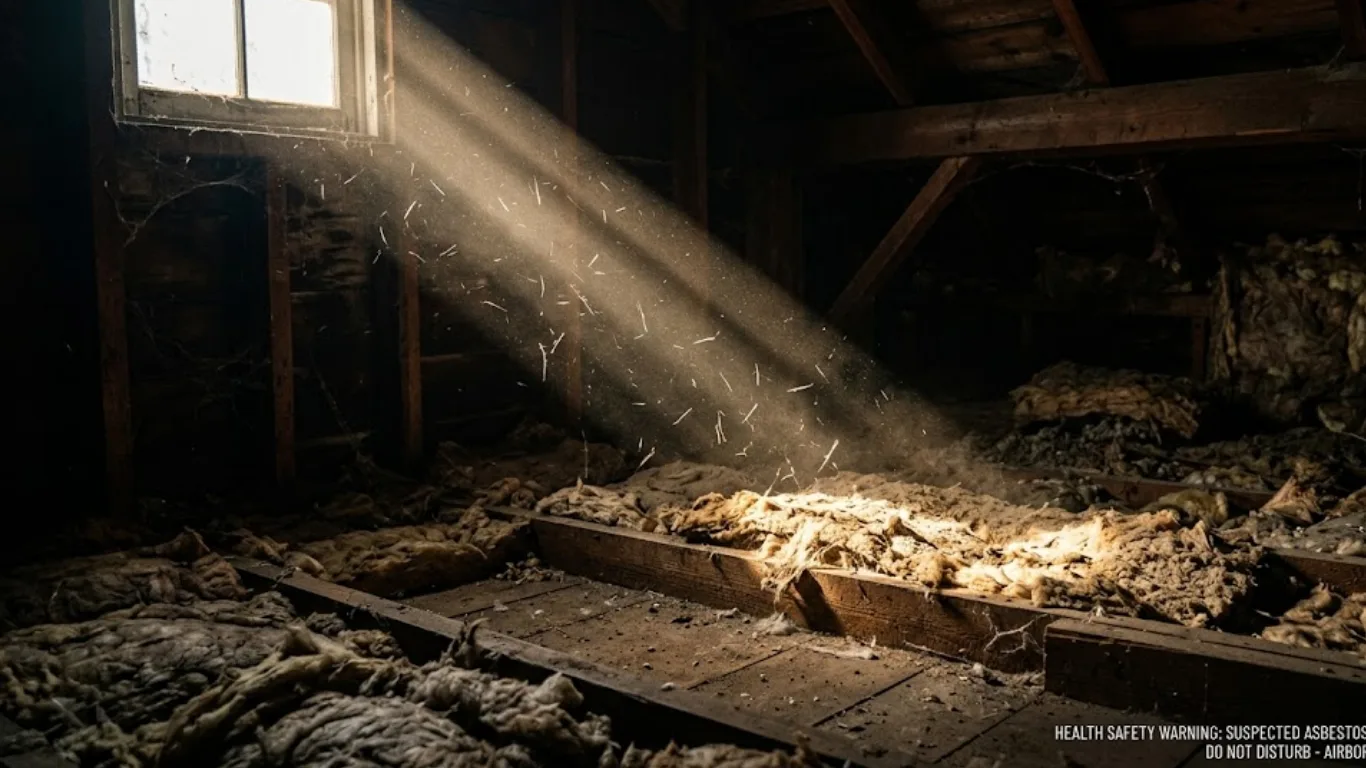
“Asbestlint” refers to the fine, lint-like particles of asbestos dust that become airborne when asbestos-containing materials degrade or are physically disturbed. These microscopic fibers are invisible to the naked eye, have no detectable odor, and can drift through the air for hours before settling onto surfaces or being inhaled. Because asbestlint looks and behaves exactly like ordinary household dust, many people are unknowingly exposed to it every day, particularly in older buildings that have never been professionally inspected.
This guide covers what asbestlint is, where it comes from, why it is so dangerous, and what steps you can take to protect yourself and your family.
What Exactly Is Asbestlint?
Asbestos is a group of naturally occurring silicate minerals prized for their heat resistance, durability, and insulating properties. For most of the twentieth century, it was used extensively in construction, shipbuilding, and manufacturing. Over time, engineers and researchers discovered that the same properties that made asbestos useful also made it lethal when inhaled.
When asbestos-containing materials remain intact and undisturbed, the risk to occupants is relatively low. The danger arises when those materials begin to break down. As they crumble, chip, or are sanded, drilled, or cut, they release individual asbestos fibers into the surrounding air. The term “asbestlint” describes this airborne, dust-like form of asbestos in its most hazardous state.
The fibers themselves are extraordinarily small, often measuring less than 3 micrometers in diameter, well below the threshold of human vision. They are also lightweight enough to remain suspended in still air for several hours. Once disturbed, asbestlint can spread rapidly through a room, travel through ventilation systems, and settle on clothing, furniture, and other surfaces far from its source.
How Asbestlint Forms
Asbestlint does not appear spontaneously. It forms through specific physical and chemical processes that weaken or break apart asbestos-containing materials.
Natural aging and deterioration are the most common causes. Materials like pipe insulation, ceiling tiles, and floor adhesives become brittle over decades. As they dry out and lose structural integrity, small amounts of fiber are shed into the air continuously, even without any human intervention.
Physical disturbance dramatically accelerates fiber release. Renovation work is one of the most significant risk scenarios. Drilling, sawing, sanding, or even forcefully removing old flooring or ceiling panels can release enormous concentrations of fibers in a short time. Without proper containment and respiratory protection, workers and bystanders can receive a dangerous dose within minutes.
Vibration and mechanical stress from nearby construction, heavy foot traffic, or industrial machinery can also loosen fibers gradually over time, even when materials appear undamaged from the outside.
HVAC systems play a particularly concerning role in spreading asbestlint through buildings. When degraded insulation is present inside ducts or near air handlers, normal airflow can pick up fibers and distribute them to every room connected to the system. Occupants on floors far from the source may receive meaningful exposure without ever approaching the damaged material.
Where Asbestlint Is Found
Understanding where asbestos-containing materials are typically located helps identify potential sources of asbestlint before a problem develops.
Residential homes built before 1980 are the highest-risk category. During this era, asbestos was found in attic and wall insulation, vermiculite attic fill, vinyl floor tiles and their adhesive backing, textured ceiling coatings (commonly called “popcorn ceilings”), pipe and boiler insulation, drywall joint compound, and roofing shingles.
Commercial and industrial buildings of the same era often contain even more asbestos. Fireproofing spray applied to structural steel beams, thermal insulation around industrial equipment, acoustic ceiling tiles, gaskets in mechanical systems, and electrical panel backing boards were all commonly manufactured with asbestos.
Schools and public buildings constructed before federal asbestos regulations tightened in the late 1970s and 1980s may still contain substantial quantities of asbestos-containing materials. Some of this material has been encapsulated or managed in place rather than removed, meaning it remains present and can become a source of asbestlint if conditions change.
Older vehicles and machinery sometimes contained asbestos in brake pads, clutch linings, and gaskets. Mechanics who work on vintage vehicles without proper precautions can be exposed to significant amounts of asbestlint during routine maintenance.
Asbestos Risk by Material
| Material | Common Locations | Risk Level (if disturbed) |
| Popcorn Ceiling | Living Rooms, Bedrooms | High (Friable) |
| Vinyl Floor Tiles | Kitchens, Basements | Low (Non-Friable) |
| Pipe Insulation | Basements, Boiler Rooms | Extreme (High Fiber Release) |
| Drywall Compound | Interior Walls | Medium (During Sanding) |
Why Asbestlint Is So Dangerous
Most airborne particles that people encounter daily are effectively managed by the respiratory system. The nose, throat, and upper airways trap the majority of common dust and debris, and the body expels it through mucus, coughing, and sneezing.
Asbestos fibers are different. Because of their extremely small size and needle-like shape, they can bypass the body’s natural defenses and travel deep into the lower lungs, penetrating into the alveoli where gas exchange occurs. Once embedded in lung tissue, asbestos fibers cannot be broken down or expelled. The body’s immune system attempts to destroy them but fails, producing chronic inflammation and progressive scarring instead.
This process happens silently. There are no immediate symptoms of asbestlint inhalation. No burning sensation, no coughing fit, no rash. A person can receive a significant exposure during a single afternoon of renovation work and feel completely normal for years afterward, unaware that a disease process has already begun.
Diseases Caused by Asbestlint Exposure
The diseases linked to asbestos inhalation are among the most severe occupational illnesses ever documented. All of them share the characteristic of having an extremely long latency period, meaning symptoms typically do not appear until 10 to 50 years after initial exposure.
Mesothelioma is a cancer of the mesothelium, the thin tissue layer that surrounds the lungs, heart, and abdominal organs. It is almost exclusively caused by asbestos exposure and is notoriously aggressive. By the time symptoms appear, the disease is usually advanced, and the prognosis is poor. There is no cure, and treatment focuses on extending life and managing symptoms.
Asbestos-related lung cancer is clinically similar to lung cancer from other causes, but the exposure history distinguishes it. People who were exposed to asbestos and also smoked cigarettes face a risk of lung cancer that is far greater than either factor alone, a synergistic effect that has been well-documented in occupational health research.
Asbestosis is a non-cancerous but progressive and disabling condition caused by the extensive scarring of lung tissue. The lungs become stiff and less efficient at transferring oxygen into the bloodstream. Symptoms include shortness of breath, a persistent dry cough, and fatigue. No treatment reverses the scarring, and the condition worsens over time.
Pleural diseases include pleural plaques, pleural thickening, and pleural effusion. These conditions affect the membranes surrounding the lungs. Pleural plaques are areas of hardened scar tissue that are generally benign but indicate previous asbestos exposure. Pleural thickening can restrict lung expansion and cause breathlessness. Pleural effusion, an abnormal accumulation of fluid around the lungs, can be a sign of mesothelioma or other complications.
Who Is Most at Risk
While anyone who inhabits an older building can potentially be exposed to asbestlint, certain groups face disproportionately high risk.
Construction and renovation workers are among the most commonly affected. Tradespeople, including plumbers, electricians, plasterers, carpenters, and HVAC technicians, often work in structures where asbestos-containing materials are disturbed regularly as part of their daily work.
Demolition workers face concentrated exposure because the entire purpose of their work involves breaking apart building materials, many of which may contain asbestos.
Maintenance and janitorial staff in older commercial buildings sometimes encounter damaged ceiling tiles, deteriorating pipe insulation, or aging floor coverings as part of routine duties, often without being informed of the asbestos risk.
Homeowners undertaking DIY renovations represent a growing area of concern. A homeowner who pulls up old vinyl flooring, tears out attic insulation, or removes textured ceiling coatings without first testing for asbestos can generate significant quantities of asbestlint with no protective equipment and no knowledge of what they are breathing.
Families of exposed workers have historically been affected through what is called secondary or take-home exposure. Asbestos fibers carried home on work clothing, hair, and tools can contaminate domestic environments. Children, who spend more time at floor level and put their hands to their mouths more frequently than adults, are particularly vulnerable in these situations.
Detecting Asbestlint
Asbestlint cannot be detected through sight, smell, or taste. The only reliable method of identification is laboratory analysis.
Air monitoring involves collecting air samples over a defined period using calibrated pumps and filter cassettes. The filters are then examined under phase contrast microscopy or transmission electron microscopy to count and characterize fibers. This method determines whether airborne asbestos is present and at what concentration.
Bulk material sampling involves collecting a small physical sample of a suspect material, such as a piece of floor tile, a scraping of textured ceiling paint, or a chunk of pipe insulation, and sending it to an accredited laboratory for analysis. This identifies whether a material contains asbestos before it is disturbed.
Surface dust sampling uses specialized wipe or microvacuum techniques to collect settled dust from surfaces and analyze it for asbestos fiber content.
All of these methods should be performed by a trained and certified asbestos inspector or industrial hygienist. Attempting to collect samples without proper training and equipment can itself disturb materials and generate asbestlint, defeating the purpose of the exercise.
What to Do If You Suspect Asbestlint
If you suspect that asbestos-containing materials in your home or workplace are damaged or deteriorating, the immediate priority is to avoid disturbing the area further. Do not sweep, vacuum with a standard vacuum cleaner, or handle the material. Standard vacuum cleaners do not have filters capable of trapping asbestos fibers and will simply recirculate them into the room air.
Turn off any forced air heating or cooling systems that might circulate fibers to other parts of the building. Restrict access to the affected area and keep children and pets away.
Contact a licensed asbestos abatement contractor. These professionals carry specific certifications required by law in most jurisdictions and are equipped with the protective clothing, respirators, HEPA filtration equipment, and containment materials needed to assess and address asbestos hazards safely. They will conduct testing, advise on the best course of action, and if necessary, carry out controlled removal or encapsulation according to legally mandated procedures.
Do not attempt to remove asbestos-containing materials yourself. In most countries and regions, improper removal and disposal of asbestos is a criminal offense, and the health risk to untrained individuals is severe.
Asbestlint Removal and Remediation
When professional testing confirms that asbestlint is present at unsafe concentrations or that its source material poses an ongoing risk, remediation professionals have two primary options.
Encapsulation involves applying a sealant or binding agent directly to asbestos-containing material to prevent fiber release. This is appropriate when the material is in relatively stable condition, and the encapsulant can provide durable protection. Encapsulation is less disruptive and typically less expensive than full removal, but it does not eliminate the asbestos. The material remains in place and must be monitored regularly. Any future renovation work that would disturb it still requires abatement procedures.
Abatement (removal) is the complete physical extraction of asbestos-containing materials from the building. It is the only method that permanently eliminates the source of asbestlint. Abatement requires establishing a containment zone with negative air pressure, so that any fibers released during the work are captured rather than spreading to adjacent areas. Workers use full-face respirators with P100 filters or supplied air systems, and wear disposable protective coveralls. All waste materials are double-bagged in heavy plastic, labeled according to regulatory requirements, and transported to licensed disposal facilities.
After abatement, the area is cleared through post-removal air monitoring before the containment is dismantled and the space returned to normal use.
Prevention and Long-Term Safety
The most effective protection against asbestlint is identifying the risk before any disturbance occurs.
If your home or workplace was built before 1980, have it inspected by a certified asbestos professional before undertaking any renovation, repair, or demolition project. This single step prevents the vast majority of unintentional asbestlint exposures.
In workplaces where asbestos exposure is a known risk, employers are legally required in most jurisdictions to maintain asbestos management plans, conduct regular air monitoring, provide appropriate respiratory protection, and train employees to recognize and avoid asbestos hazards.
In the home, avoid sanding, drilling, or breaking materials that may contain asbestos. If ceiling tiles, floor tiles, or insulation are damaged but not actively crumbling, leaving them in place and undisturbed is often safer than attempting removal without professional guidance.
HEPA air filtration units can help reduce general airborne particulate levels in an environment, but should not be relied upon as the primary protection against asbestos exposure. They are a supplement to proper management, not a substitute.
Regulatory Framework
In most countries, asbestos is now tightly regulated or banned outright. In the United States, the Environmental Protection Agency (EPA) and the Occupational Safety and Health Administration (OSHA) set permissible exposure limits and govern how asbestos must be handled, removed, and disposed of. The UK banned all forms of asbestos in 1999, though the management of asbestos still present in buildings is governed by the Control of Asbestos Regulations 2012. The European Union’s Carcinogens and Mutagens Directive establishes similar obligations across member states.
These regulations exist because decades of occupational health research have demonstrated, beyond any reasonable doubt, that there is no safe level of asbestos exposure. Any fiber inhaled carries some risk, and cumulative exposures multiply that risk substantially. \
Conclusion
Asbestlint is one of the most insidious environmental health hazards precisely because it is invisible, odorless, and symptom-free at the time of exposure. The diseases it causes are serious, often fatal, and appear only after a latency period of decades, making prevention far more valuable than any treatment. Anyone who lives or works in a building constructed before 1980 should understand the basics of asbestos risk, have suspect materials tested before disturbing them, and rely on licensed professionals for any inspection or remediation work.
The most important thing you can do today is not to panic but to be informed. Asbestos-containing materials that are in good condition and left undisturbed are generally safe. The risk is created by disturbance, and disturbance is something that can be planned for, managed, and avoided with the right knowledge.
Frequently Asked Questions
What is the difference between asbestos and asbestlint?
Asbestos is a raw mineral and the materials made from it. Asbestlint specifically refers to the airborne, dust-like form of asbestos that becomes hazardous when those materials break down or are disturbed.
Can I see asbestlint in the air?
No. Asbestos fibers are far too small to be seen with the naked eye. Asbestlint looks and behaves exactly like ordinary dust. The only way to confirm its presence is through laboratory air monitoring.
How long does asbestlint stay airborne?
Under still indoor conditions, asbestos fibers can remain suspended in the air for several hours. Air movement from HVAC systems, fans, or foot traffic can keep them airborne even longer.
Is a single exposure dangerous?
Any exposure carries some risk, but the risk associated with a brief, one-time low-level exposure is much lower than repeated or prolonged exposure. The concern with asbestlint is that it is often encountered repeatedly over time, especially in buildings where deteriorating materials are continuously shedding fibers.
What should I do if I think I was exposed to asbestlint?
If you believe you have had a significant exposure, consult a physician and inform them of the circumstances. Depending on the level of exposure, your doctor may recommend baseline lung function testing and periodic follow-up. No treatment reverses the effects of inhaled asbestos fibers, which is why prevention is so critical.
My home was built in the 1970s. Should I be worried?
Not necessarily. Asbestos-containing materials that are in good condition and undisturbed pose a limited risk. The concern arises when those materials begin to deteriorate or are disturbed by renovation work. Have your home inspected before undertaking any renovation projects, and monitor the condition of any known asbestos-containing materials over time.